
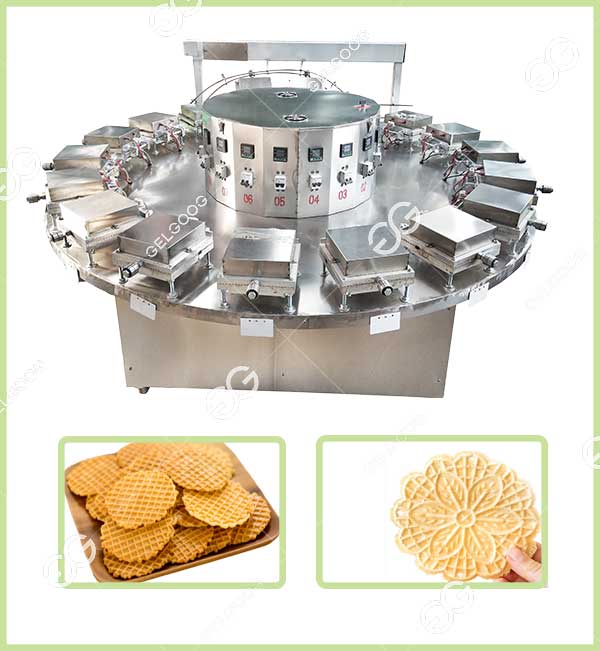
An Italian Pizzelle Maker is a baking machine that heats and presses pizzelle batter between patterned baking plates. The controlled heating process forms thin, round cookies with the characteristic decorative surface associated with traditional Italian pizzelle.
Unlike a household pizzelle iron, a commercial or industrial pizzelle maker is designed around production efficiency, repeatability, temperature control, and long-term operation.
The machine can be used for:
- Traditional Italian pizzelle cookies
- Thin patterned waffle cookies
- Decorative wafer biscuits
- Flat wafer products
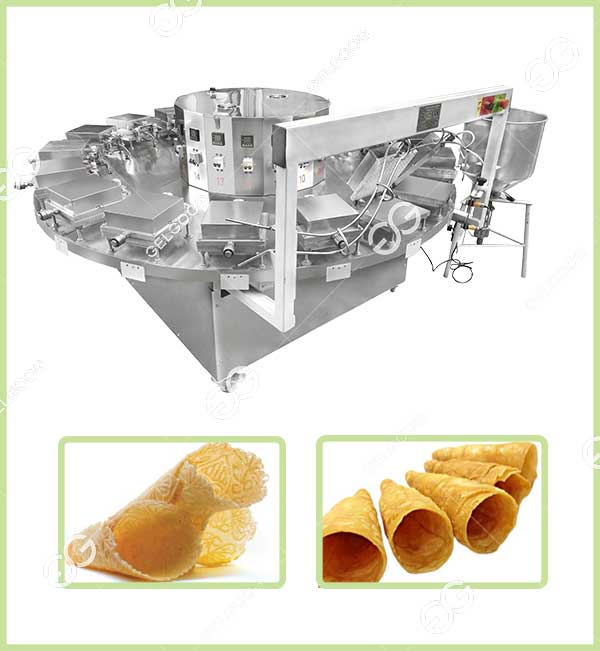
- Selected cone and wafer products with suitable molds
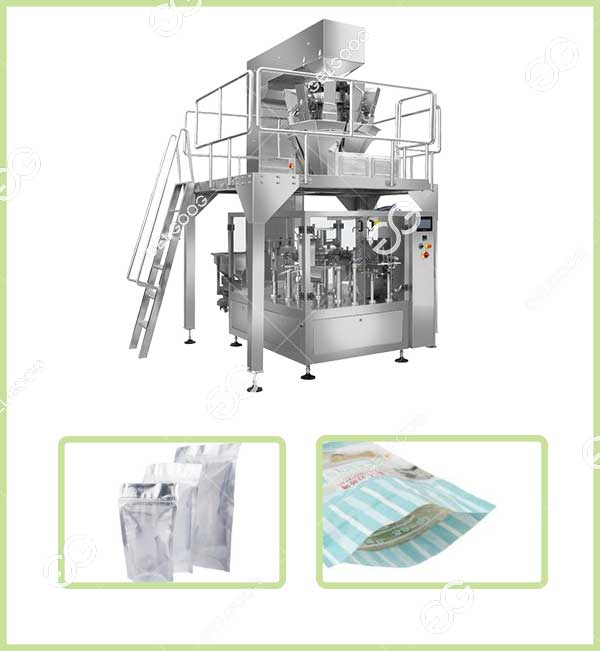
For manufacturers that need consistent commercial output, the machine can also connect with upstream batter preparation and downstream cooling or packaging equipment.

How Does a Commercial Pizzelle Maker Work?
A commercial pizzelle machine generally follows a simple baking cycle:
- Batter preparation – Flour, eggs, sugar, fat, flavoring, and other ingredients are mixed into a suitable batter.
- Batter dosing – A controlled amount of batter is placed onto the baking plate.
- Heating and pressing – The upper and lower plates heat and press the batter into the required shape.
- Temperature control – The heating system maintains the selected baking temperature for consistent results.
- Demolding – After baking, the finished pizzelle is released from the mold.
- Cooling and packaging – The cookies are cooled before counting, stacking, and packaging.
This process helps reduce variations caused by manual portioning and inconsistent baking temperatures.

Key Features – Italian Pizzelle Making Machine
-
Precise Temperature Control – Adjustable heating ensures consistent browning, crispness, and moisture removal across different recipes.
-
Consistent Size & Thickness – Fixed molds and controlled batter volume deliver uniform product dimensions, improving packaging and presentation.
-
Interchangeable Molds – Swapable molds allow for varied patterns, shapes, or custom branded designs to meet market needs.
-
Automatic Production – Integrated dosing, baking, mold opening, and discharge enable continuous, high-volume output with minimal manual labor.
-
Stainless Steel Construction – Durable and easy-to-clean materials support daily commercial use and hygiene standards.
-
Flexible Capacity – Models range from ~500 to 2,000 pieces/hour, with options to match output needs, space, and mold configurations.

Commercial Pizzelle Maker vs. Home Pizzelle Maker
The main difference between a commercial pizzelle maker and a household pizzelle maker is the intended production environment.
| Feature | Commercial Pizzelle Maker | Home Pizzelle Maker |
|---|---|---|
| Application | Commercial and industrial production | Home baking |
| Production volume | Higher | Lower |
| Temperature control | Designed for repeatable production | Basic |
| Mold options | Can support production customization | Usually fixed |
| Continuous operation | Suitable for repeated production cycles | Limited |
| Integration | Can connect with production equipment | Usually standalone |
| Product consistency | Designed for commercial consistency | Depends more on operator |
Businesses should therefore choose equipment based on expected output rather than comparing industrial machinery directly with household appliances.

How to Choose the Right Pizzelle Maker – Key Considerations
-
Production Capacity – Estimate hourly/daily output needs. Avoid undersized machines (limits growth) or oversized ones (unnecessary cost).
-
Cookie Size & Thickness – Define diameter, thickness, and weight upfront, as these affect mold design and batter dosing.
-
Pattern Requirements – Check if standard patterns suffice or if custom/interchangeable molds are needed for branding or market preferences.
-
Recipe Compatibility – Batter viscosity, sugar/fat content, and moisture impact baking. Test your recipe with the machine before purchase.
-
Automation Level – For high volume, choose automatic dosing and baking to improve consistency and reduce manual labor.
-
Downstream Equipment – Ensure compatibility with cooling, counting, stacking, and packaging lines for a smooth overall workflow.
Italian Pizzelle Maker – FAQ
-
What is it used for?
Bakes thin, crisp, patterned pizzelle cookies. Commercial models offer consistent, repeatable results vs. manual methods. -
What capacity do commercial machines offer?
~500–2,000 pieces/hour, depending on mold size, baking time, recipe, and configuration. -
Can molds be customized?
Yes – different shapes, sizes, and patterns are available; custom designs can be discussed. -
Is an automatic machine suitable for factories?
Yes – designed for continuous production and can integrate with batter prep, cooling, counting, and packaging lines. -
What info is needed for a quote?
Expected capacity, diameter/thickness/pattern, recipe/batter characteristics, power supply, and automation level required.

Build a Pizzelle Production Solution
Choosing an Italian Pizzelle Maker is not only about selecting a baking machine. The right equipment should match your product specifications, production capacity, mold requirements, recipe, and future expansion plans.
We can help evaluate these requirements and develop a suitable commercial pizzelle production solution, from individual pizzelle baking equipment to integrated processing and packaging systems.
If you are looking for an industrial pizzelle maker, commercial pizzelle machine, or automatic pizzelle making machine, contact us with your product specifications and target capacity to discuss the appropriate equipment configuration.
Reviews
There are no reviews yet.